Fascination framework

Fascination framework

Fascination framework

Fascination framework

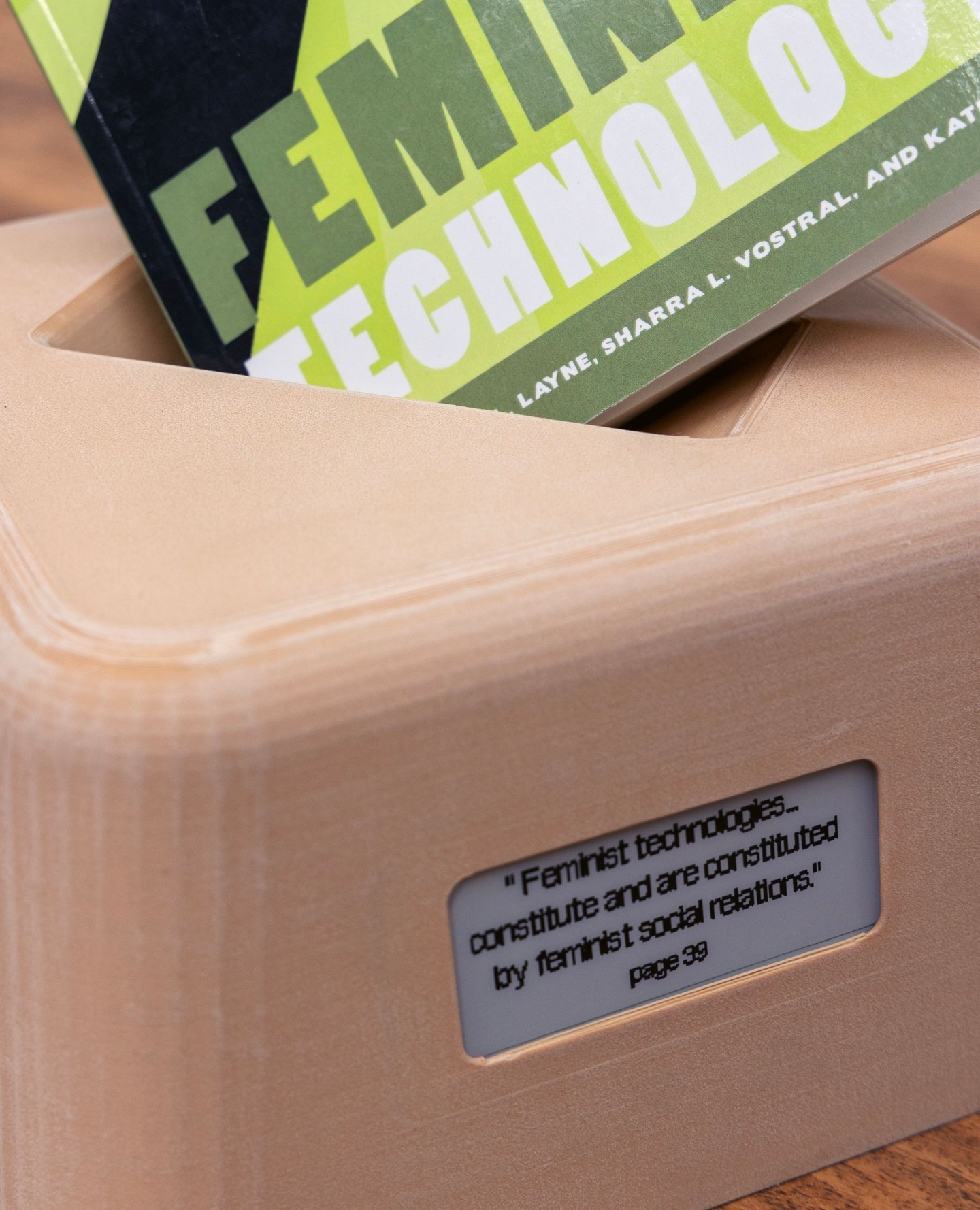
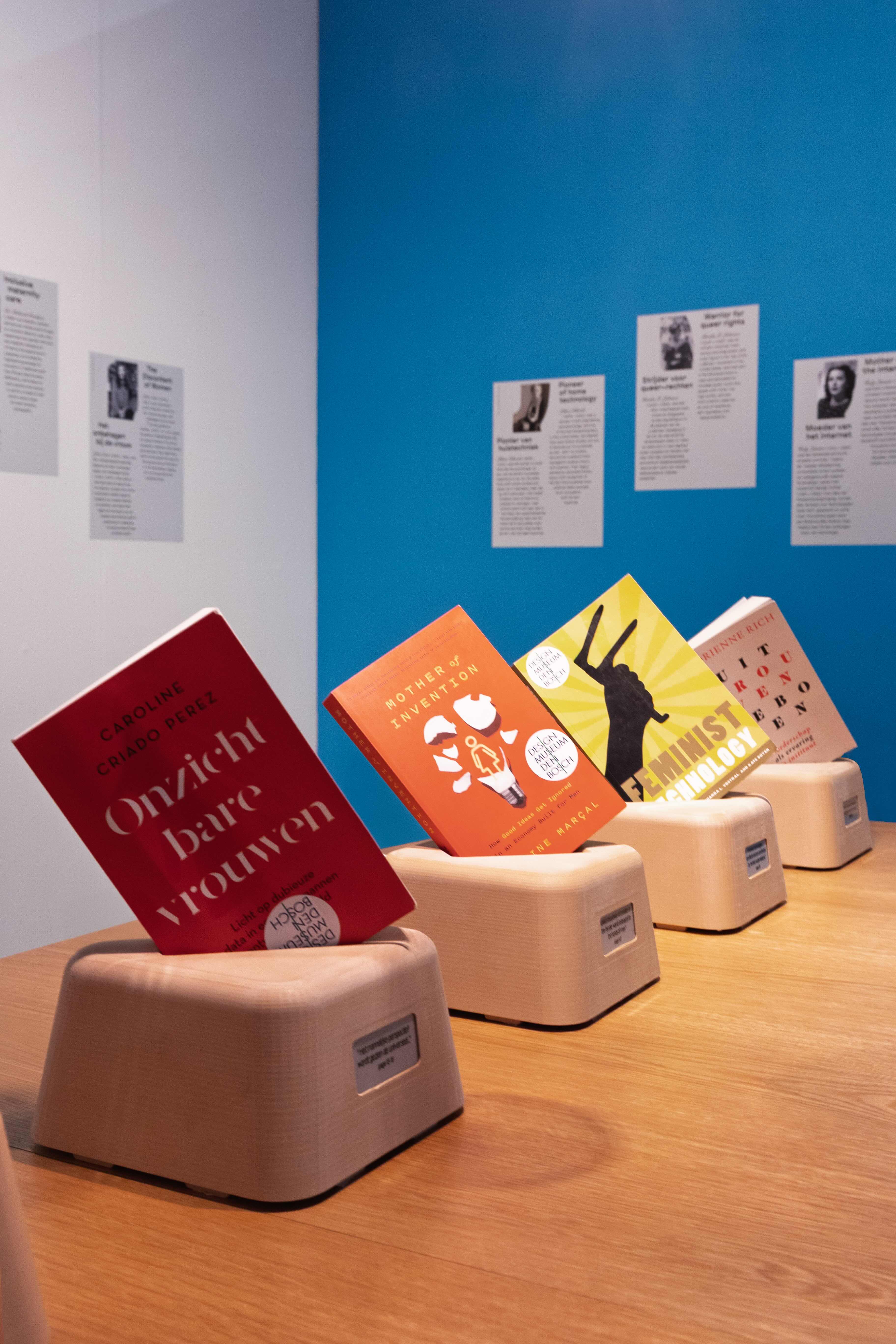
The installation "Talking Books" lets books speak. They whisper to attract visitors and pique curiosity.
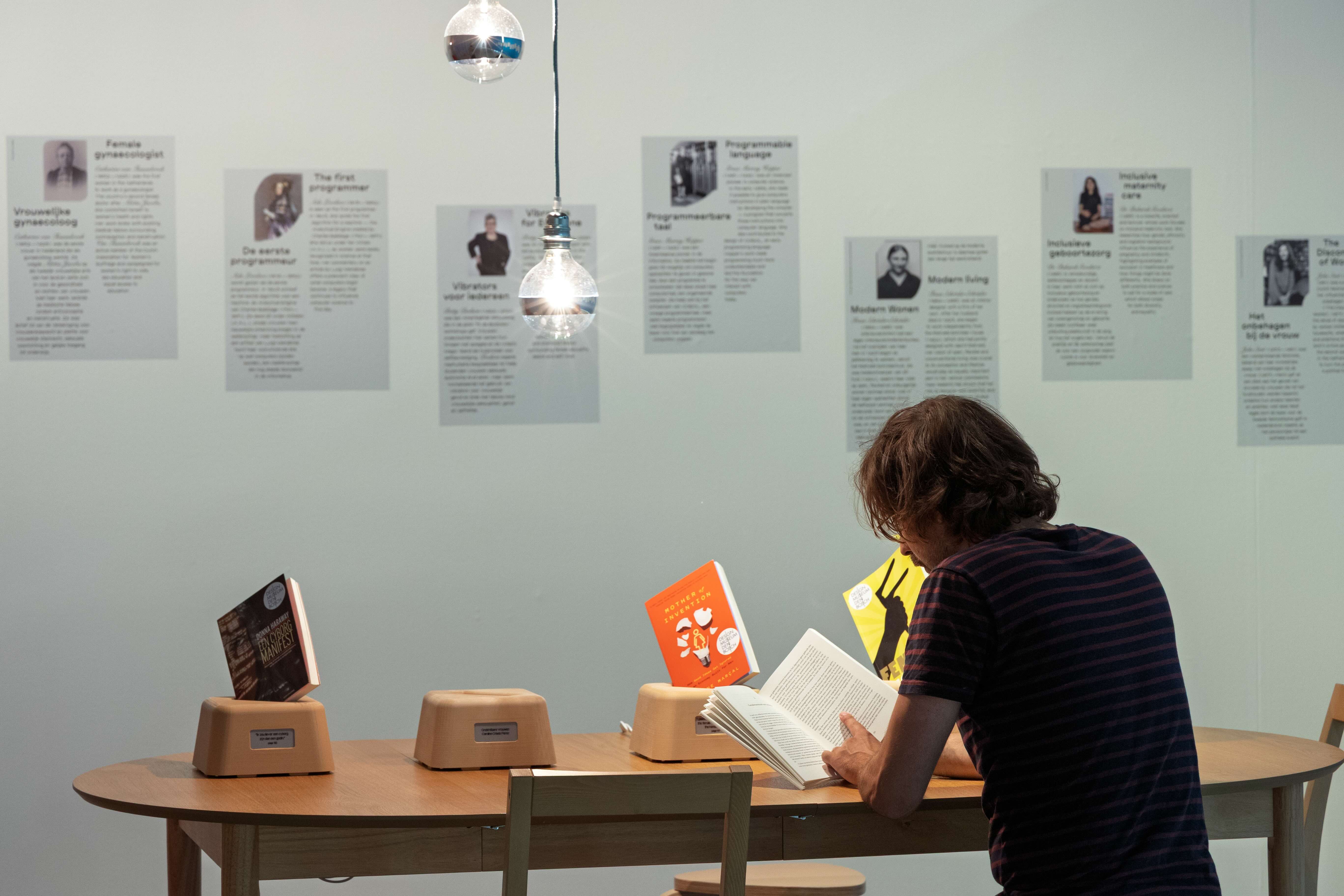
As part of my Honours assignment at the Interactive Environments minor I collaborated with Scape Agency to create a proof of concept for a 'fascination framework'. This framework allows a personalised visitor experience which is tailored based on someone's fascination or interest in the "thing".


Role:

Role:

Designer

Designer

Duration:

Duration:

6 months

6 months

Year:

Year:

2025

2025

Service Provided:

Service Provided:

Concept Development

Concept Development

01 Design Process

01 Design Process

01 Design Process

01 Design Process

Background

Background

Background

Background

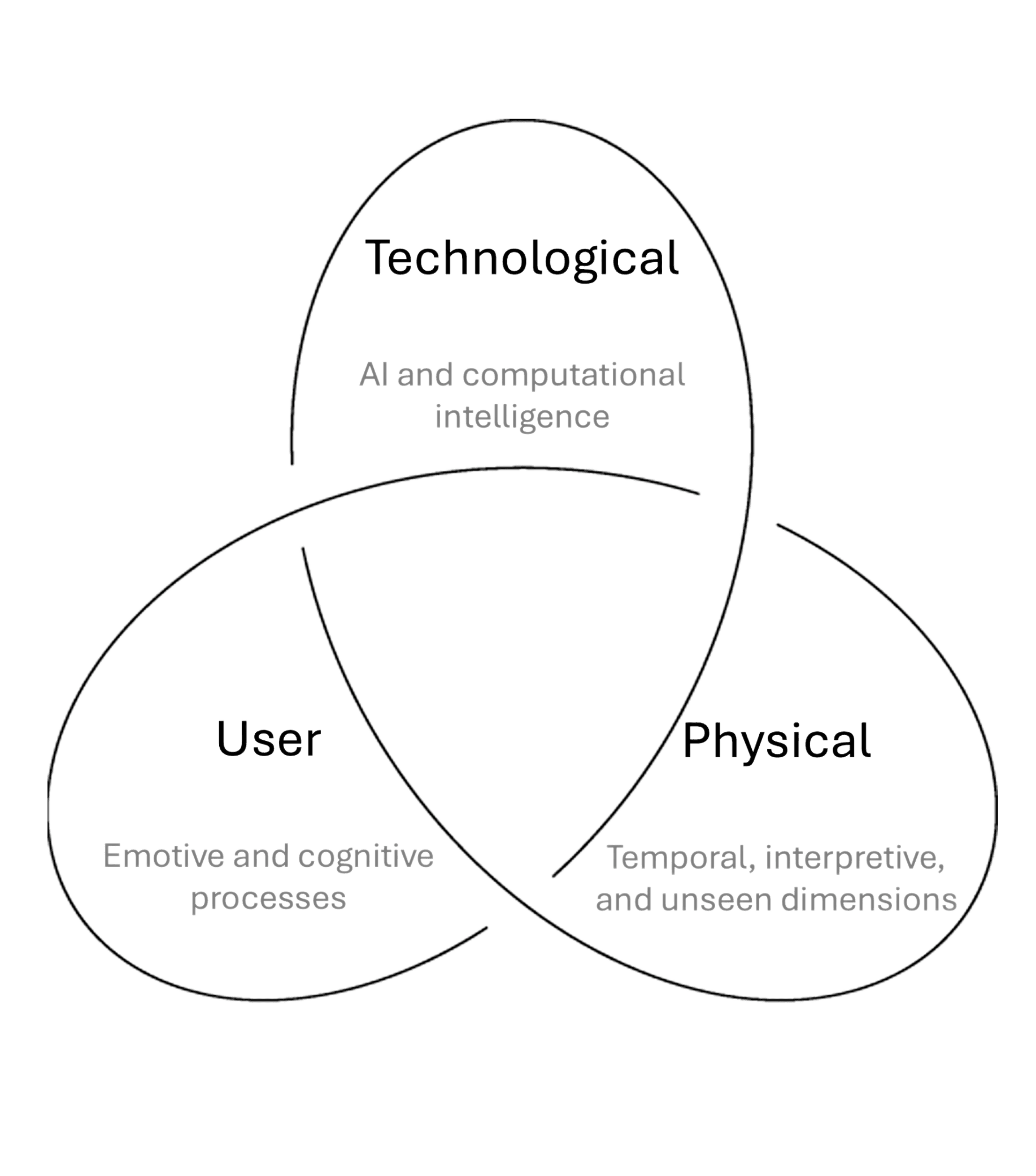
A conceptual framework for a multi-dimensional adaptive exhibition experience, designed to dynamically respond to individual (or groups of) visitors by integrating and connecting the three latent spaces: the technological space, the physical space, and the user space. The associations of the users form the foundation through their connections and relations, creating an ever-changing and live network as input.

A conceptual framework for a multi-dimensional adaptive exhibition experience, designed to dynamically respond to individual (or groups of) visitors by integrating and connecting the three latent spaces: the technological space, the physical space, and the user space. The associations of the users form the foundation through their connections and relations, creating an ever-changing and live network as input.

A conceptual framework for a multi-dimensional adaptive exhibition experience, designed to dynamically respond to individual (or groups of) visitors by integrating and connecting the three latent spaces: the technological space, the physical space, and the user space. The associations of the users form the foundation through their connections and relations, creating an ever-changing and live network as input.

A conceptual framework for a multi-dimensional adaptive exhibition experience, designed to dynamically respond to individual (or groups of) visitors by integrating and connecting the three latent spaces: the technological space, the physical space, and the user space. The associations of the users form the foundation through their connections and relations, creating an ever-changing and live network as input.

Personalized guidance

Personalized guidance

Personalized guidance

Personalized guidance

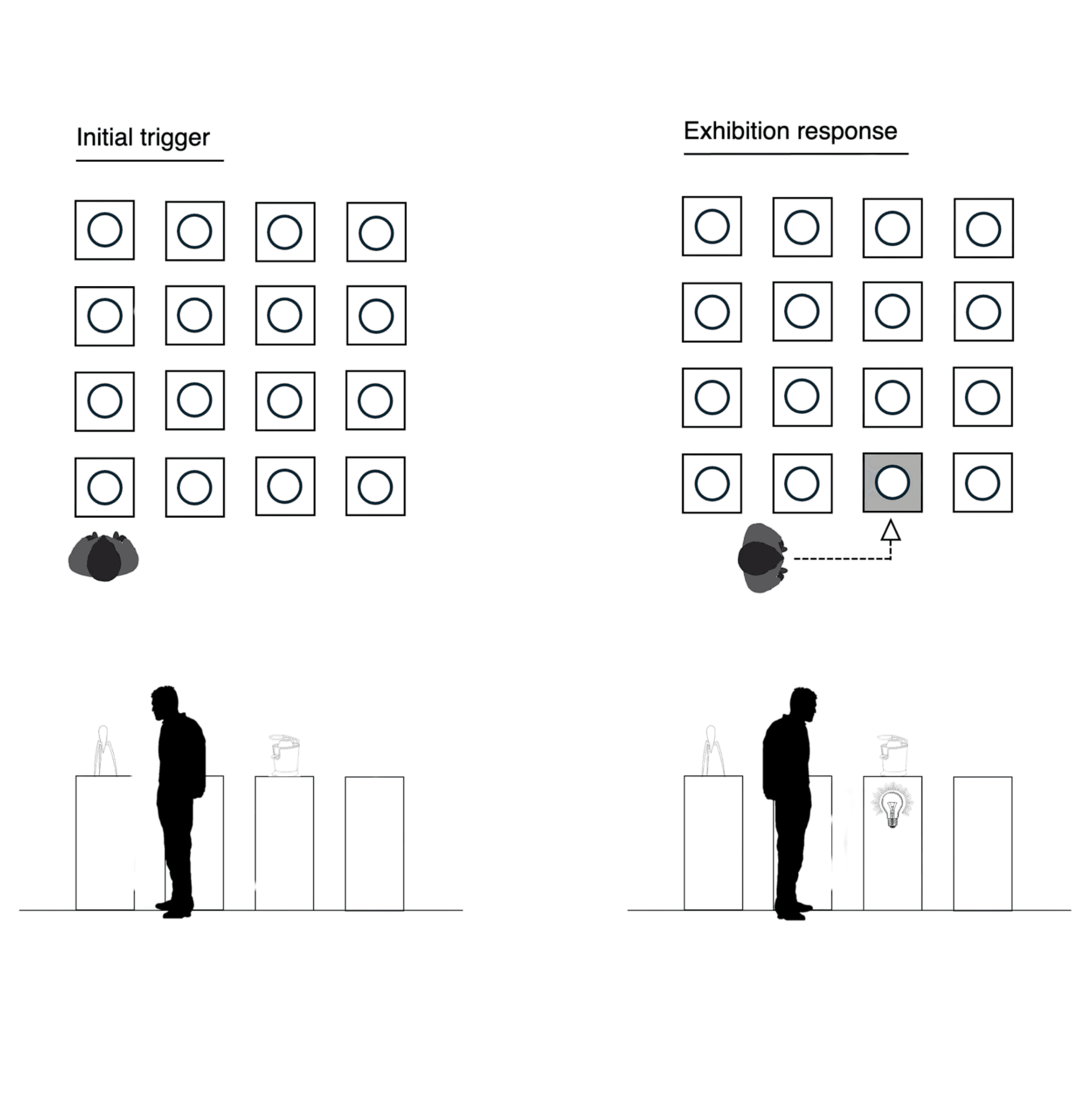
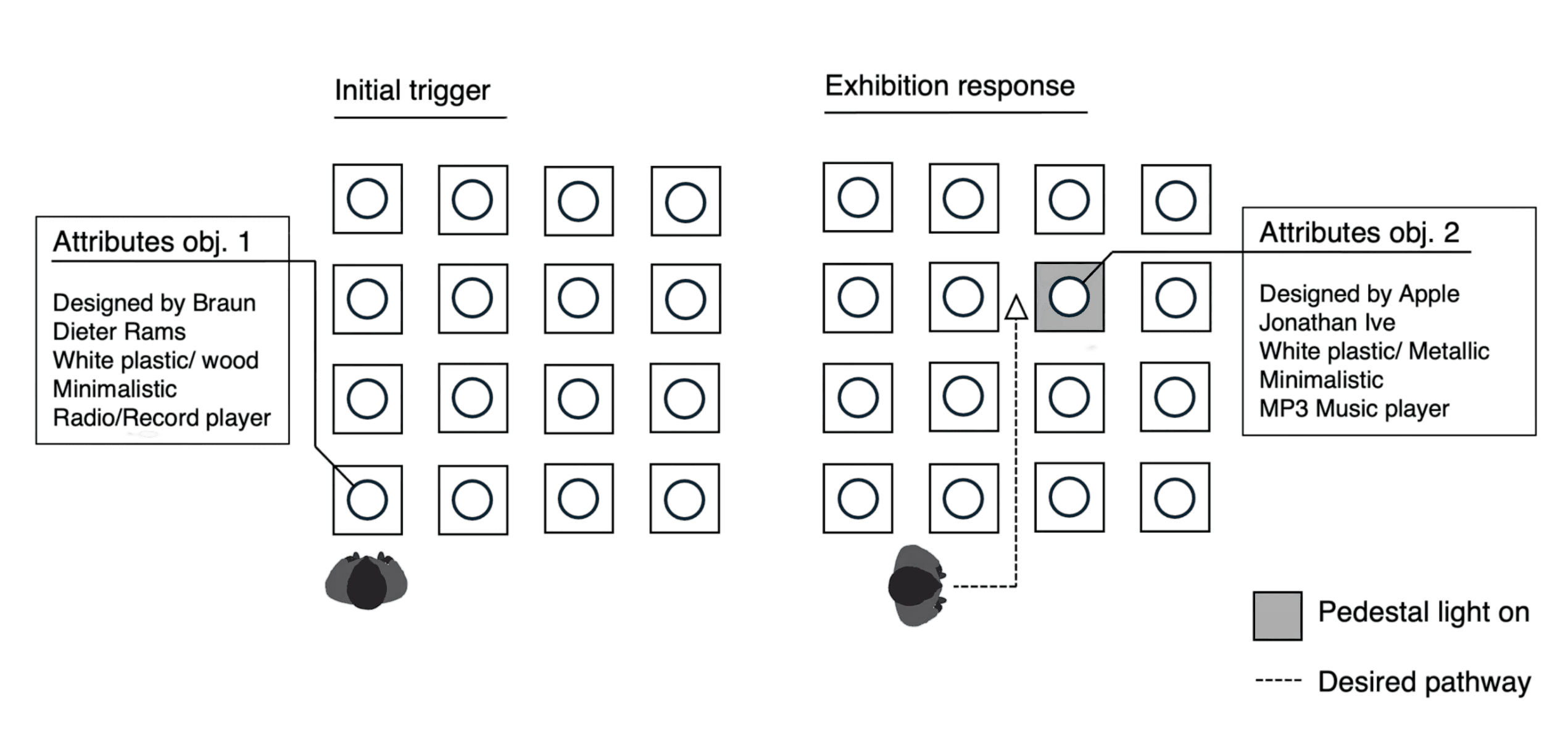
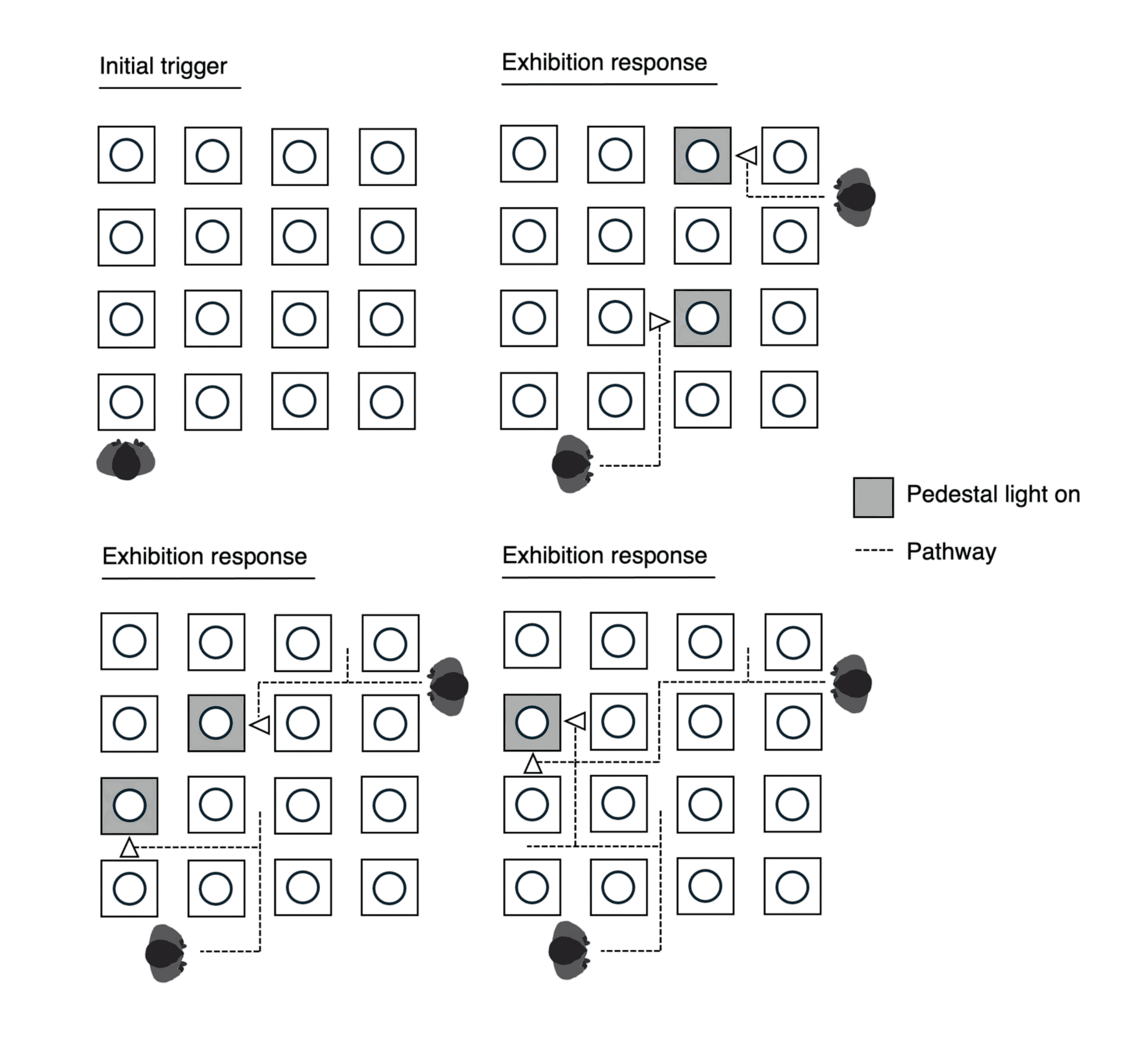
Visitors are guided through the exhibition that invites them to explore specific installations or artefacts. For example, as someone approaches an ancient artefact, a spotlight narrows its beam, drawing attention to intricate details while an accompanying audio narrative or display emerges. The system could also direct visitors along different pathways, creating unique journeys for each person.

Single visitor experience

Single visitor experience

Single visitor experience

A visitor enters the grid and begins exploring the pedestals, drawn first to a sleek, metallic sculpture that catches their eye. As they linger, examining its form and texture, the system senses their interest and softly illuminates another pedestal nearby.
Multi visitor experience

Multi visitor experience

Multi visitor experience

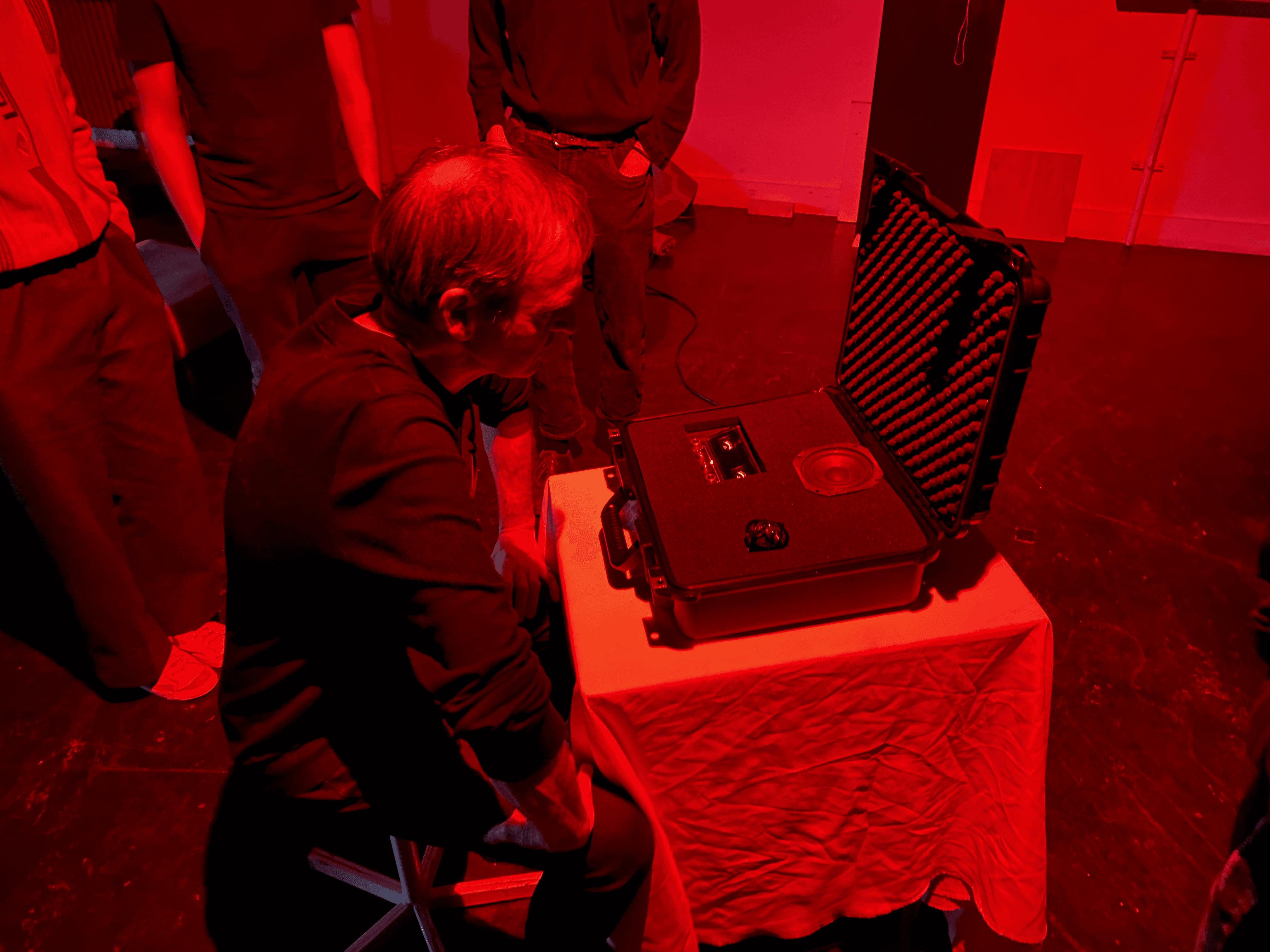
When multiple visitors wander through the grid, an added dynamic layer is unlocked. Occasionally, the paths of visitors intersect, creating an opportunity for them to spark a conversation as they share discoveries.
02 Final Design

02 Final Design

02 Final Design

02 Final Design

Fascination

Fascination

Fascination

Fascination

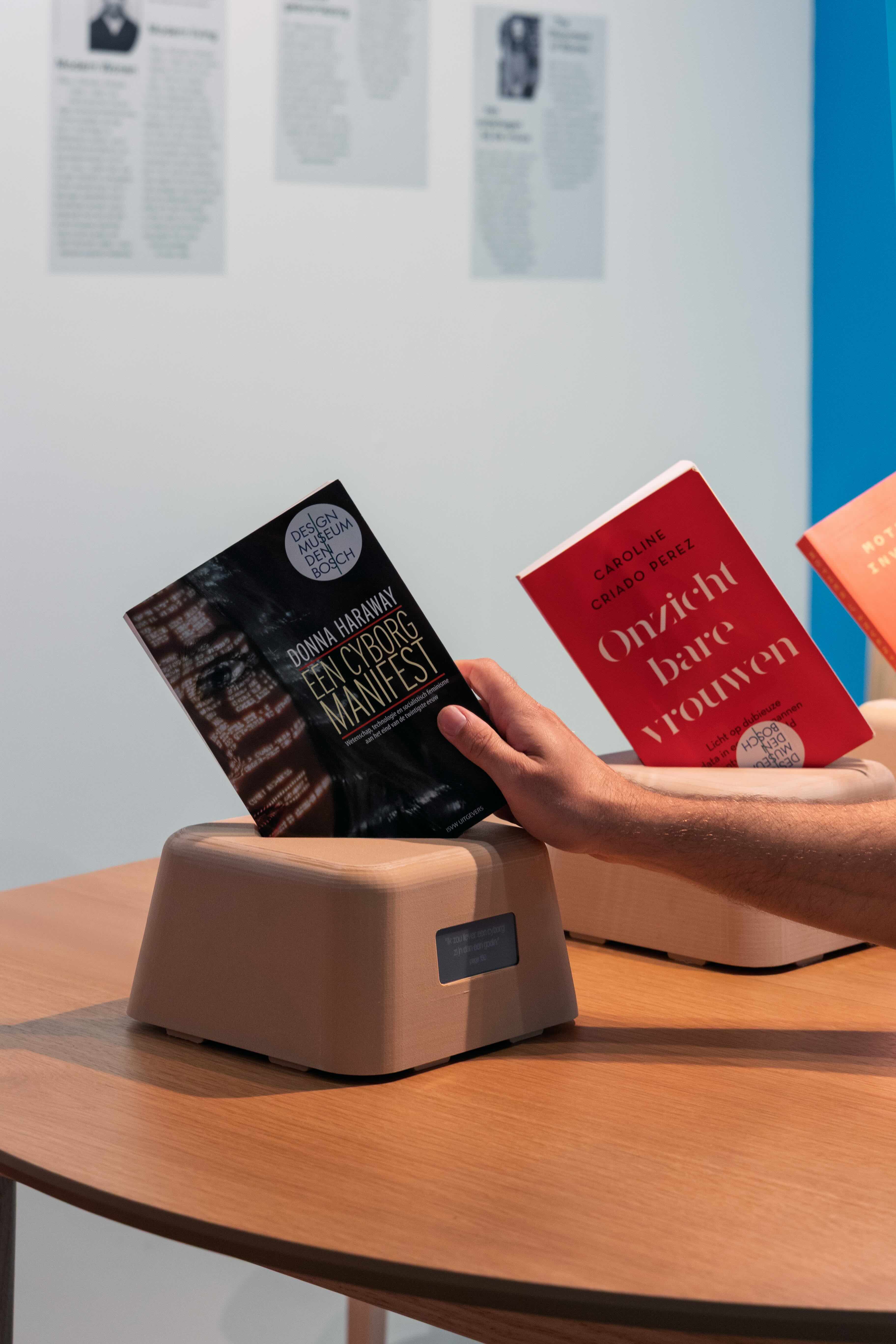
The stands whisper to attract visitors and pique curiosity. Built-in screens reveal stories, facts, and playful clues not only to inform, but also to evoke wonder and invite discovery.

Framework

Framework

Framework

Framework

Each book is connected to a larger collection. Every time you pick up a book, ask a question, or respond to a clue, that moment is documented. Over time, these interactions form a living history. In this way, the boundary between the collection and the public blurs, and the object transforms from a silent witness into an active storyteller.
Next Project

Next Project

Next Project