Hydro Guard

Hydro Guard

Hydro Guard

Hydro Guard

Designing an AI powered acoustic monitoring device to detect illegal fishing activities and stop poachers.

Designing an AI powered acoustic monitoring device to detect illegal fishing activities and stop poachers.

Designing an AI powered acoustic monitoring device to detect illegal fishing activities and stop poachers.

The Hydro-Guard Initiative develops AI-powered microphones that autonomously detect and make illegal boating visible in real-time for rangers. Providing the insights they need to precisely protect ecosystems. The Hydro-Guard Initiative recognizes the vital importance of ecosystems to our world. Illegal actors using boats pose a major threat.

Role:

Role:

Role:

Industrial Design lead

Industrial Design lead

Team:

Team:

6 people

6 people

Year:

Year:

2026 - Now

Awards:

Awards:

WWF INNO student challenge finalist 2026

WWF INNO student challenge finalist 2026

01 Design Process

01 Design Process

01 Design Process

01 Design Process

Background

Background

Background

Since 1970, wildlife populations have declined by nearly 70%, a trend often described as the sixth mass extinction. Illegal exploitation (e.g. poaching, fishing and logging) is a key driver of this loss. As ecosystems collapse, the impacts are felt not only by wildlife, but also by the people who depend on them, enjoy them and, ultimately, by the global environment. Governmental organisations assigned protected areas with goals and laws, to conserve the ecosystems, but often placing park authorities in an impossible position due to limited resources.

Since 1970, wildlife populations have declined by nearly 70%, a trend often described as the sixth mass extinction. Illegal exploitation (e.g. poaching, fishing and logging) is a key driver of this loss. As ecosystems collapse, the impacts are felt not only by wildlife, but also by the people who depend on them, enjoy them and, ultimately, by the global environment. Governmental organisations assigned protected areas with goals and laws, to conserve the ecosystems, but often placing park authorities in an impossible position due to limited resources.

Since 1970, wildlife populations have declined by nearly 70%, a trend often described as the sixth mass extinction. Illegal exploitation (e.g. poaching, fishing and logging) is a key driver of this loss. As ecosystems collapse, the impacts are felt not only by wildlife, but also by the people who depend on them, enjoy them and, ultimately, by the global environment. Governmental organisations assigned protected areas with goals and laws, to conserve the ecosystems, but often placing park authorities in an impossible position due to limited resources.

Since 1970, wildlife populations have declined by nearly 70%, a trend often described as the sixth mass extinction. Illegal exploitation (e.g. poaching, fishing and logging) is a key driver of this loss. As ecosystems collapse, the impacts are felt not only by wildlife, but also by the people who depend on them, enjoy them and, ultimately, by the global environment. Governmental organisations assigned protected areas with goals and laws, to conserve the ecosystems, but often placing park authorities in an impossible position due to limited resources.

70%

70%

70%

Decline in global wildlife populations since 1970.

Decline in global wildlife populations since 1970.

Decline in global wildlife populations since 1970.

34.000+

34.000+

34.000+

Protected areas worldwide with restricted water access to protect biodiversity.

Protected areas worldwide with restricted water access to protect biodiversity.

Protected areas worldwide with restricted water access to protect biodiversity.

90%

90%

90%

Of parks struggle with illegal boating (survey, 30 parks).

Of parks struggle with illegal boating (survey, 30 parks).

Of parks struggle with illegal boating (survey, 30 parks).

Vision

Vision

Vision

A world where illegal boat activity in protected ecosystems cannot go unnoticed.

Mission

Mission

Mission

Using AI-powered microphones to make boat activity visible in real time, enabling rangers to act with greater precision and impact.

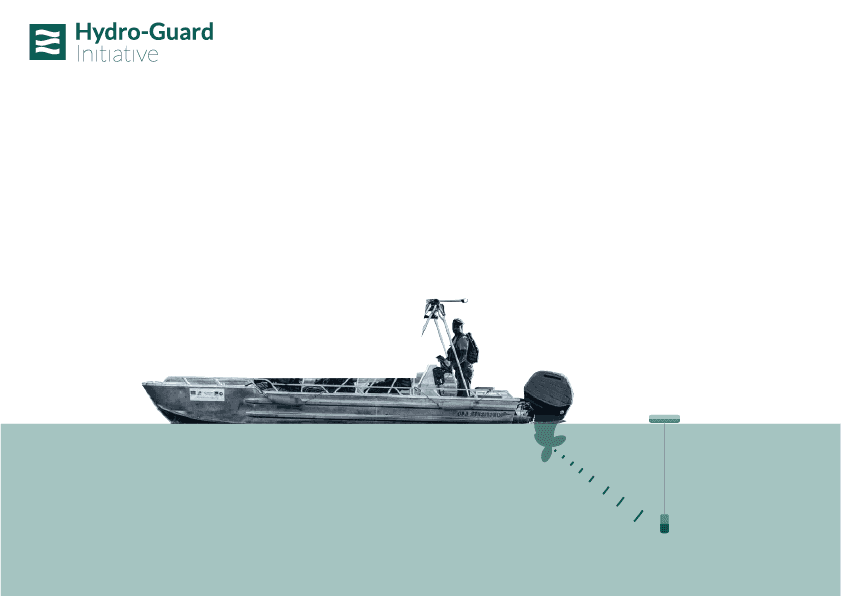
Acoustic monitoring

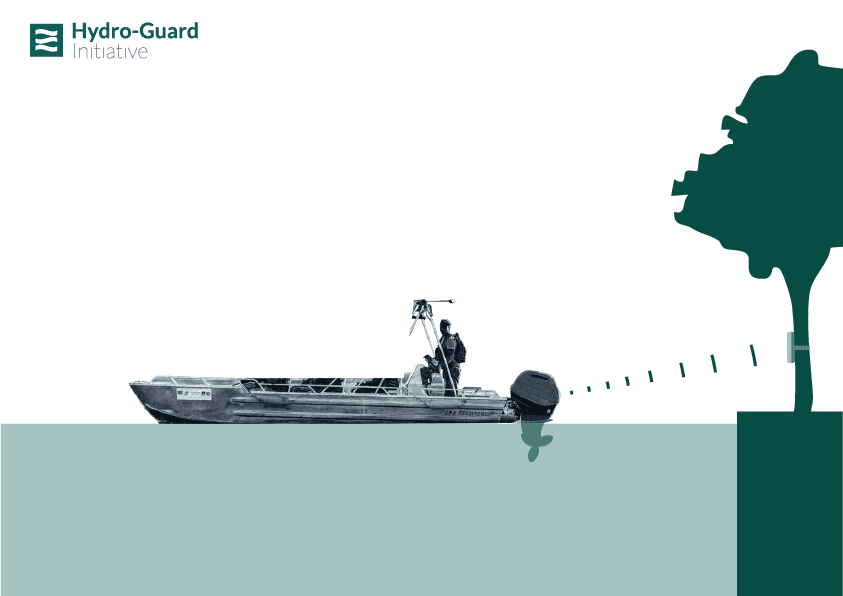
The Hydro-Guard consists of two devices for different use-cases. Together, these two devices enable scalable monitoring across both shoreline and open-water environments and fast-flowing rivers, covering the full spectrum of boating activity within protected ecosystems.
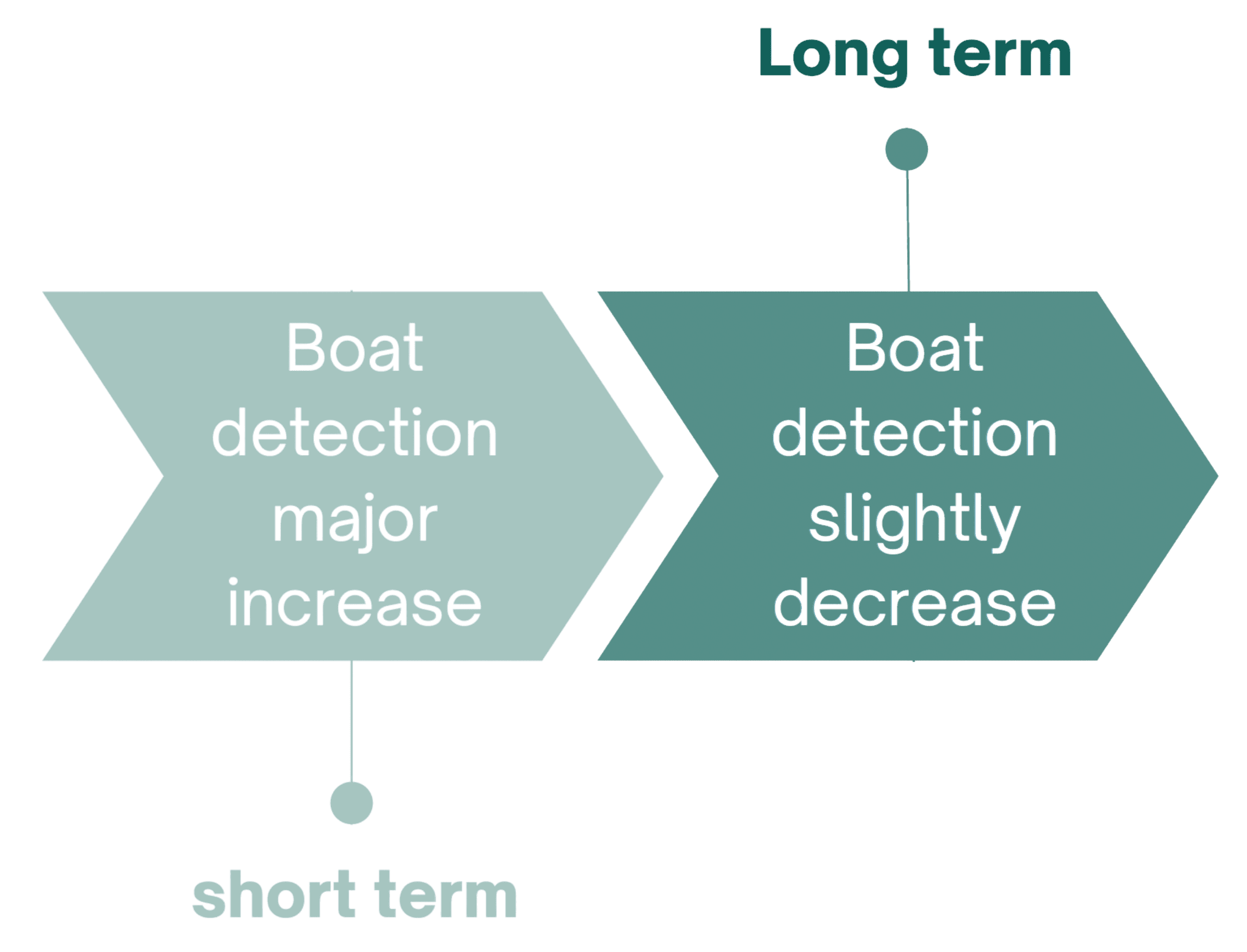
More efficient ranger deployment

We expect a clear increase in perceived effectiveness of enforcement. Rangers will be able to act on real-time data, allowing them to target high-risk locations and moments, reduce time spent on blind patrols, and intervene with greater precision.


Decreased illegal boating activity

We expect an increase in detected illegal entries due to improved monitoring. Over time, as enforcement becomes more targeted and visible, we expect a deterrence effect, leading to a reduction in illegal boating activity in monitored areas.


Testing

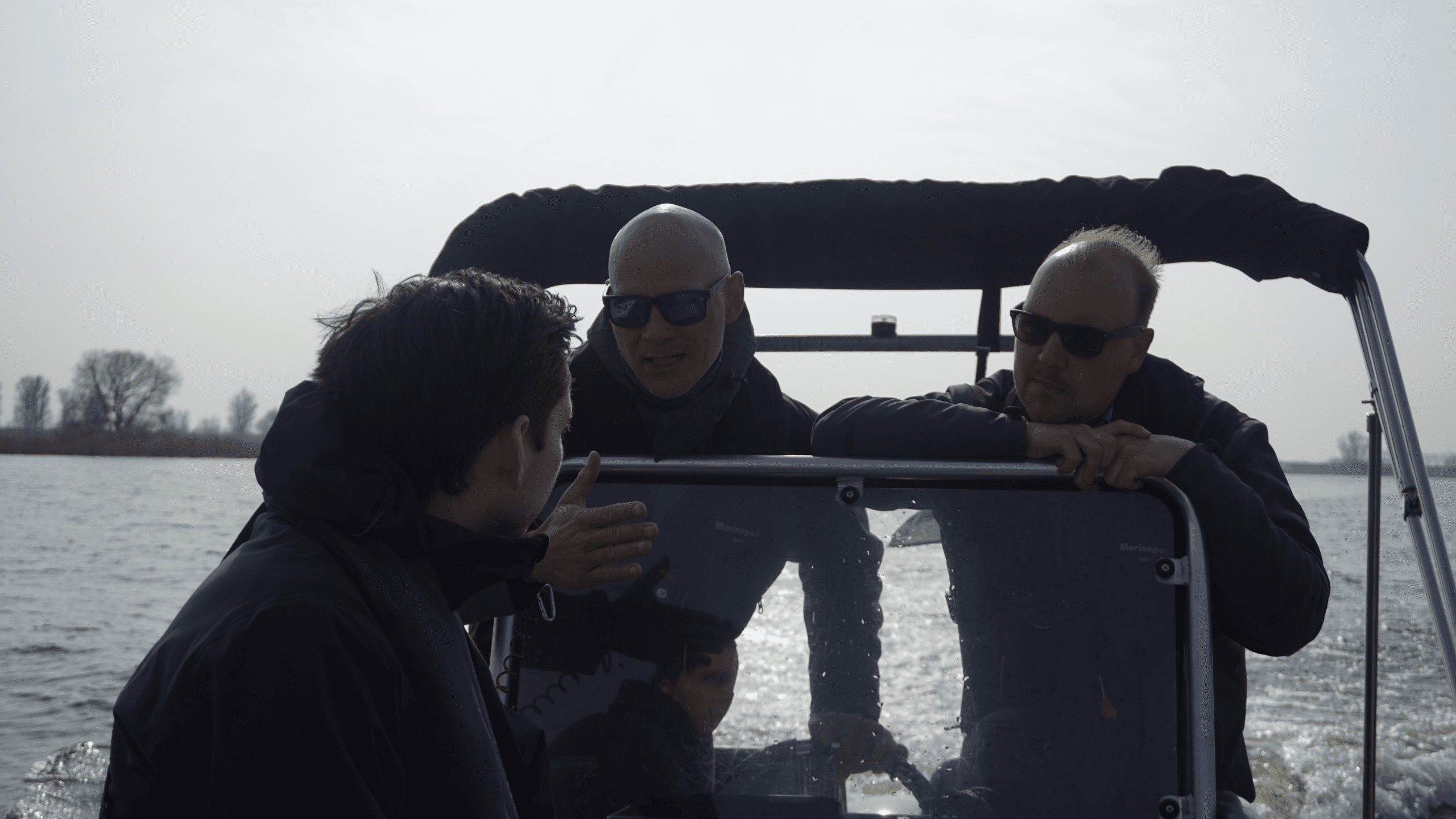
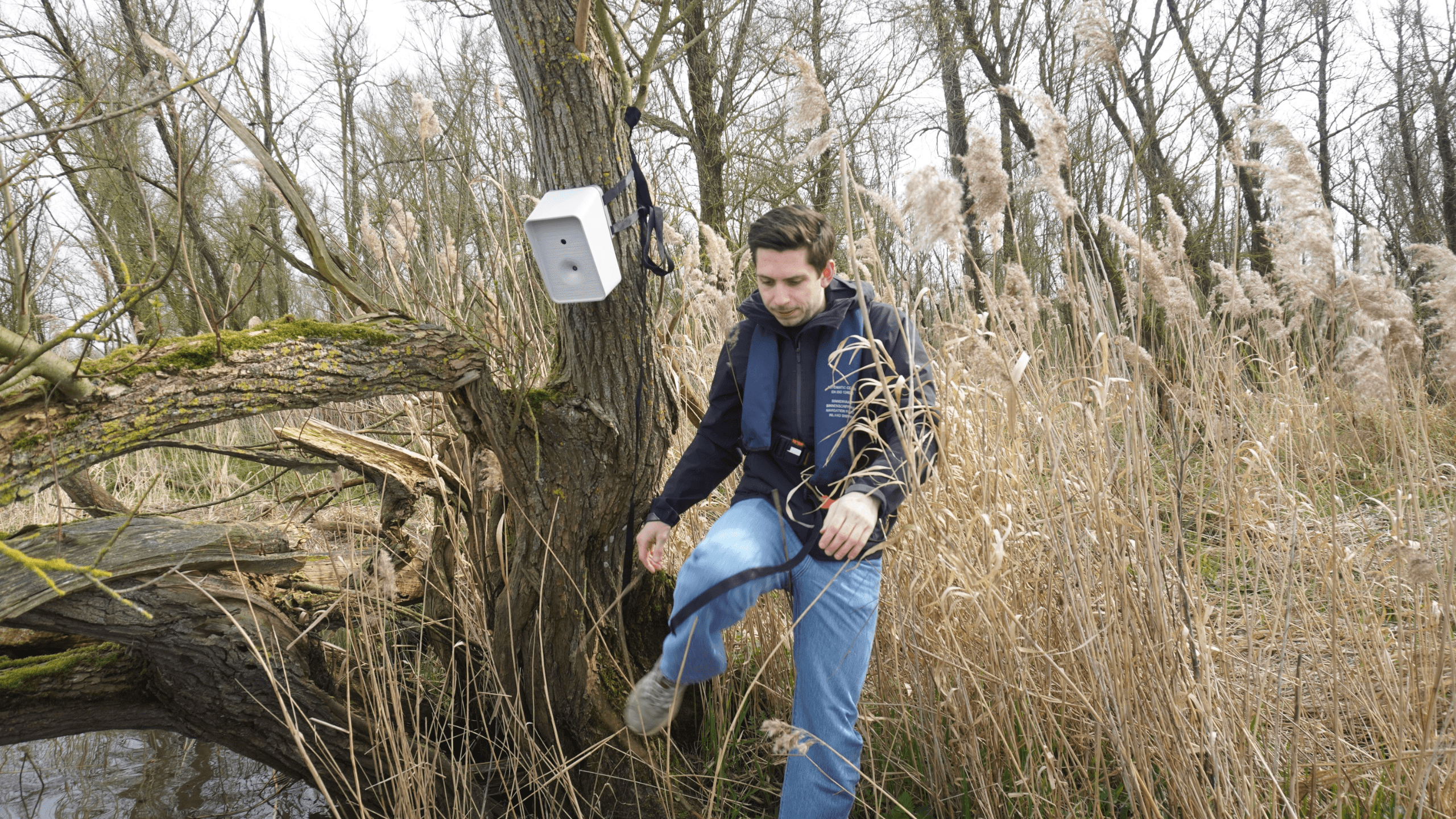
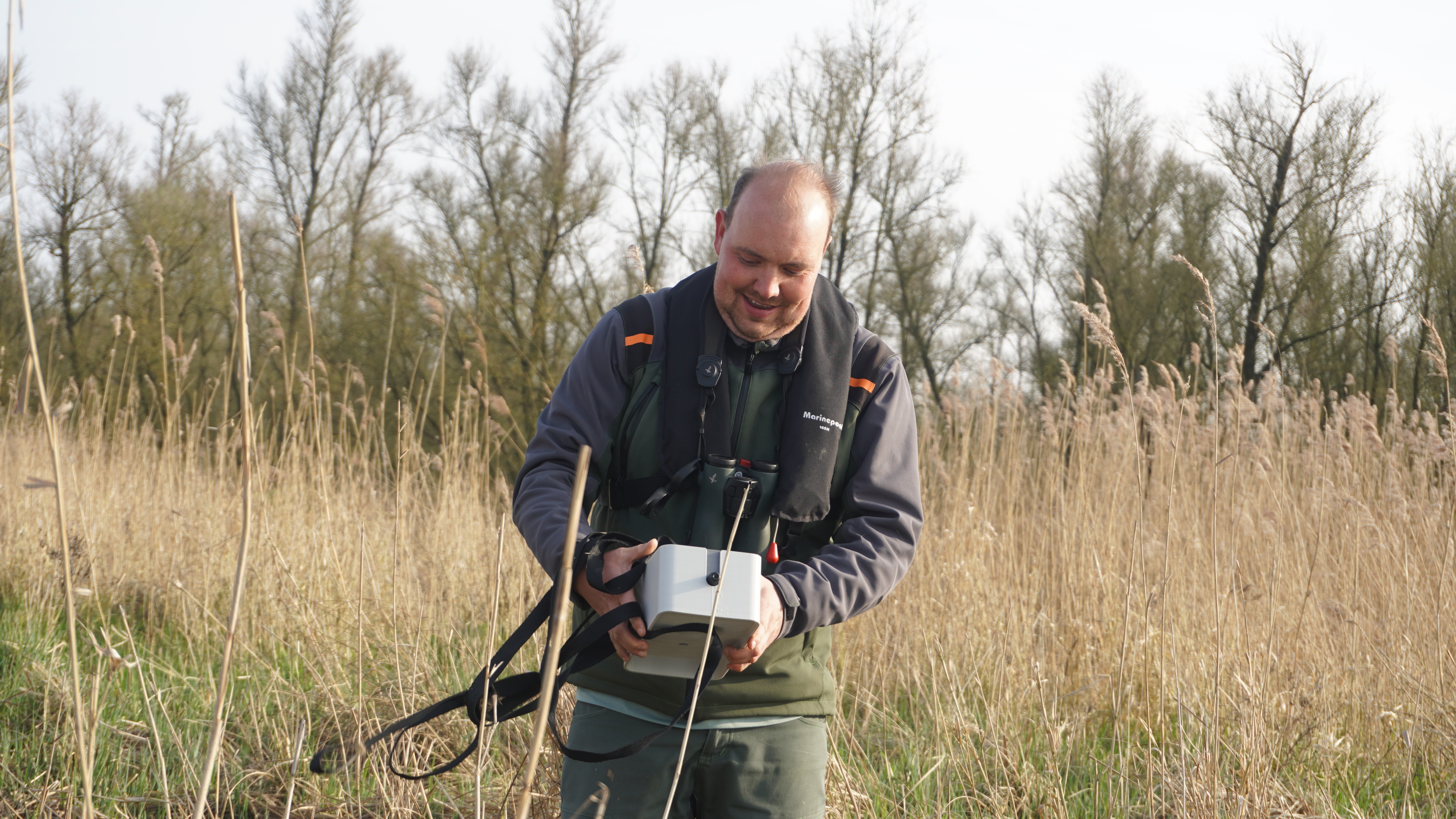
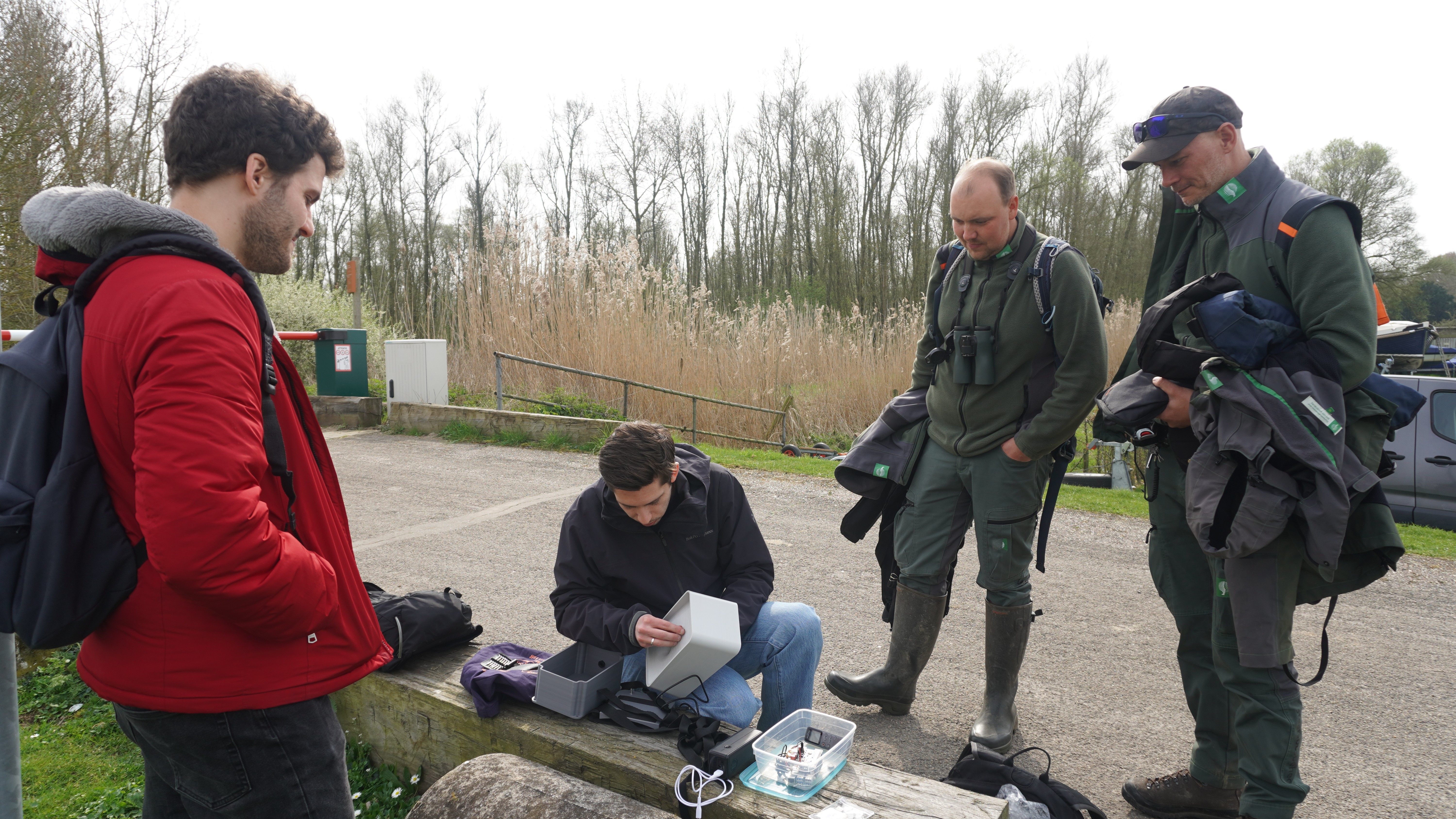
To explore the operating environment and gather real scenario data we set out with the rangers of 'Staatsbosbeheer' to test our first proof of concept. This is a custom designed prototype fitted with a microphone to record audio and a wide lens camera to visually verify the test data.
02 Final Design

02 Final Design

02 Final Design

02 Final Design

To be updated

AI acoustics

AI acoustics

AI acoustics

AI acoustics

Lorem ipsum

Monitoring

Monitoring

Monitoring

Monitoring


Next Project

Next Project

Next Project